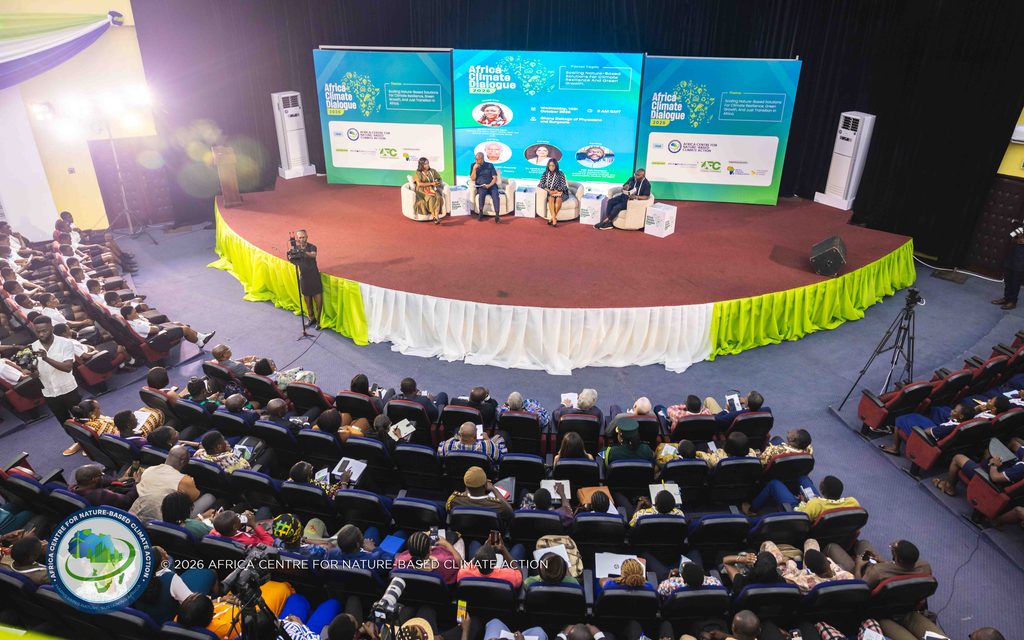
The Africa Centre for Nature-Based Climate Action (AC4NCA) has renewed calls for African countries to prioritise Nature-Based Solutions (NbS) in addressing climate change, protecting biodiversity and securing livelihoods.
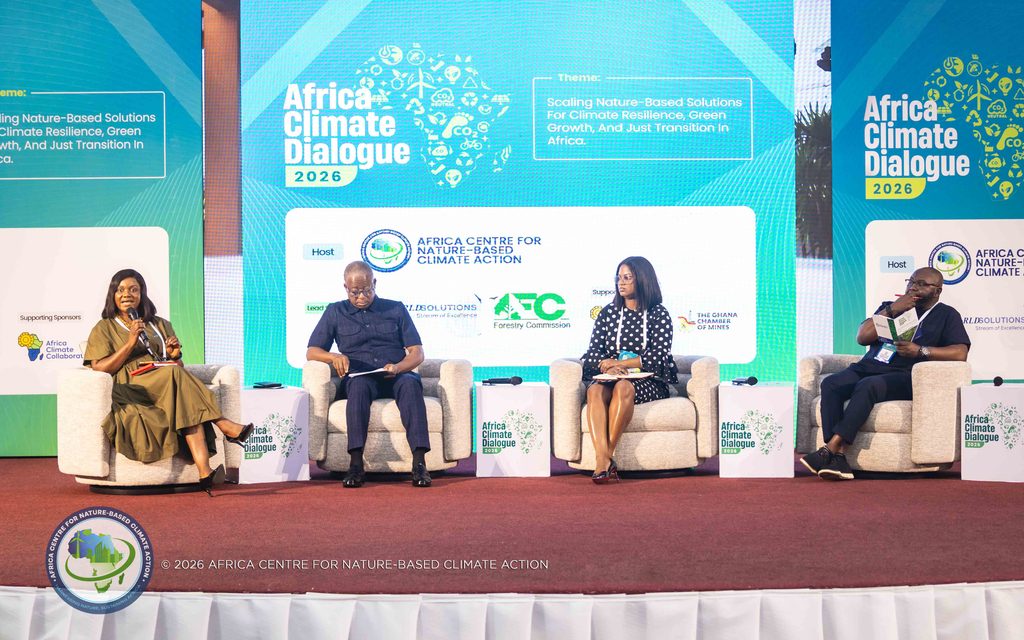
The call was made at the Africa Climate Dialogue 2026 in Accra, where policymakers, development partners, technical experts, academics, civil society organisations and private sector representatives discussed practical approaches to scaling nature-based solutions for climate resilience, green growth and a just transition in Africa.
Held under the theme, “Scaling Nature-Based Solutions for Climate Resilience, Green Growth and Just Transition in Africa,” the dialogue highlighted the importance of restoring degraded ecosystems, strengthening environmental governance and promoting sustainable livelihood opportunities for communities.
The event was organised by AC4NCA, a civil society organisation committed to advancing nature-based solutions through policy advocacy, research, environmental education, governance and youth-led climate action.
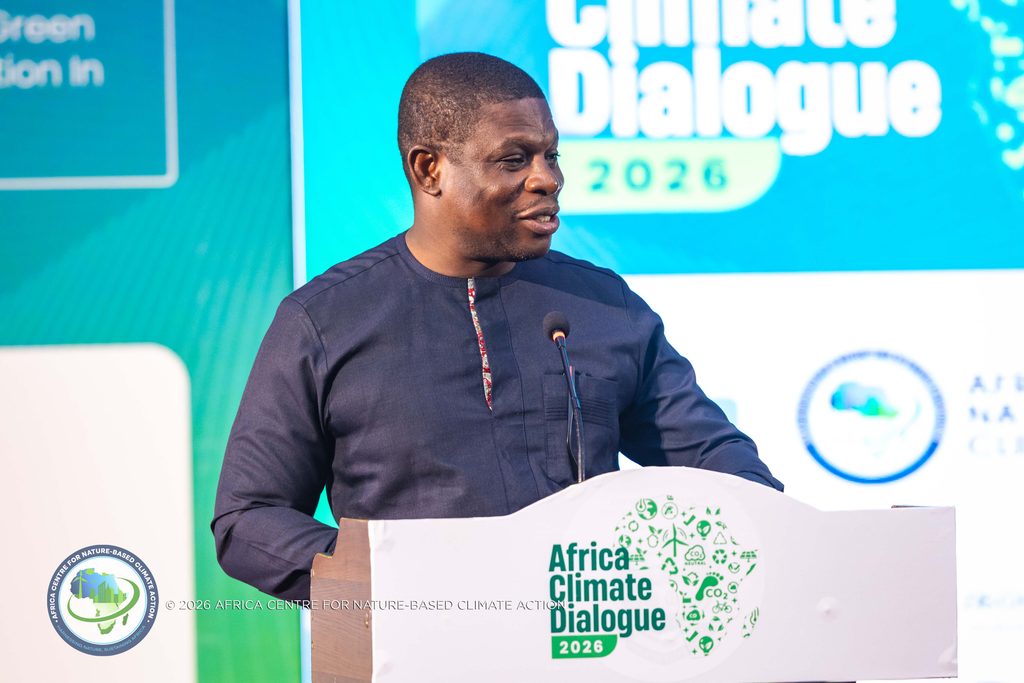
Speaking at the dialogue, the Deputy Minister of Energy and Green Transition, Mr Richard Gyan-Mensah, urged African countries to protect and restore natural ecosystems to reduce the impacts of climate change and safeguard livelihoods.
He said forests, wetlands, mangroves and other ecosystems played critical roles in carbon absorption, flood control, coastal protection and biodiversity conservation.
“We must recognise the value of nature and protect it because our livelihoods and future depend on it,” he said.
Mr Gyan-Mensah warned that illegal mining, deforestation and pollution were degrading the environment and threatening the livelihoods of communities dependent on agriculture, fishing and other natural resources.
He called for increased investment in forest restoration, wetland protection, mangrove rehabilitation and sustainable agricultural practices to strengthen climate resilience across the continent.
The Deputy Minister stressed that climate action must extend beyond policy commitments to deliver practical benefits to communities.
“Our efforts must move beyond discussions and policies to actions that bring real benefits to the people in our communities,” he said.
He also emphasised the need to involve local communities in decisions concerning natural resource management and conservation, noting that sustainable livelihood opportunities would encourage communities to protect the environment without losing their sources of income.
“We cannot protect nature without involving the people who depend on it for their livelihoods. They must be part of the decisions and solutions,” he added.
Mr Gyan-Mensah further advocated a just transition to a green economy that creates jobs, supports economic growth and ensures vulnerable groups are not left behind. He urged governments, businesses, civil society organisations and individuals to take collective responsibility for environmental protection.
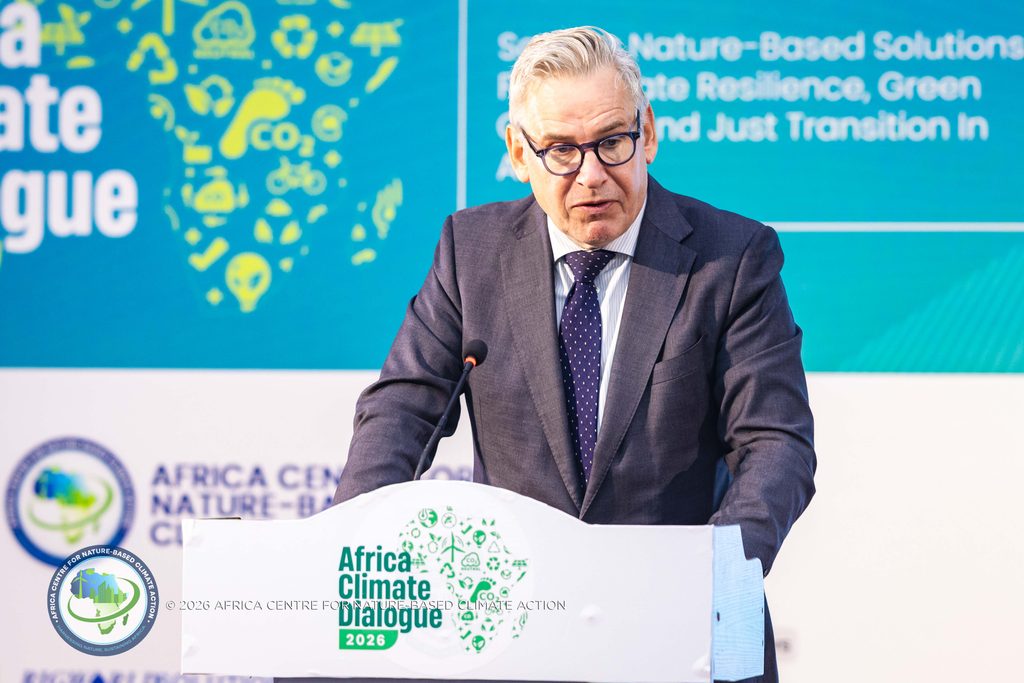
The European Union Ambassador to Ghana, Mr Rune Skinnebach, also called for a stronger relationship between human activities and nature to protect the environment for future generations.
He noted that effective environmental protection required more than policies and regulations, stressing the importance of public awareness, responsible behaviour and individual action.
“Protecting nature is not only about policies and regulations. It also requires a change in attitudes, greater public awareness and individual responsibility,” he said.
Mr Skinnebach called for increased efforts to encourage environmentally responsible practices and the sustainable use of natural resources.
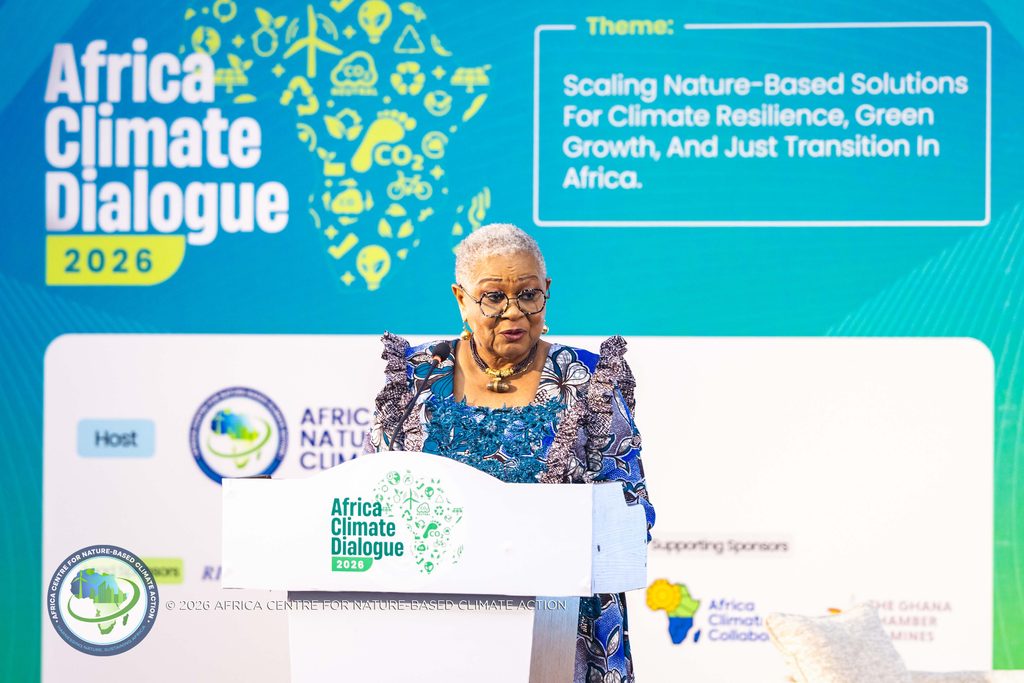
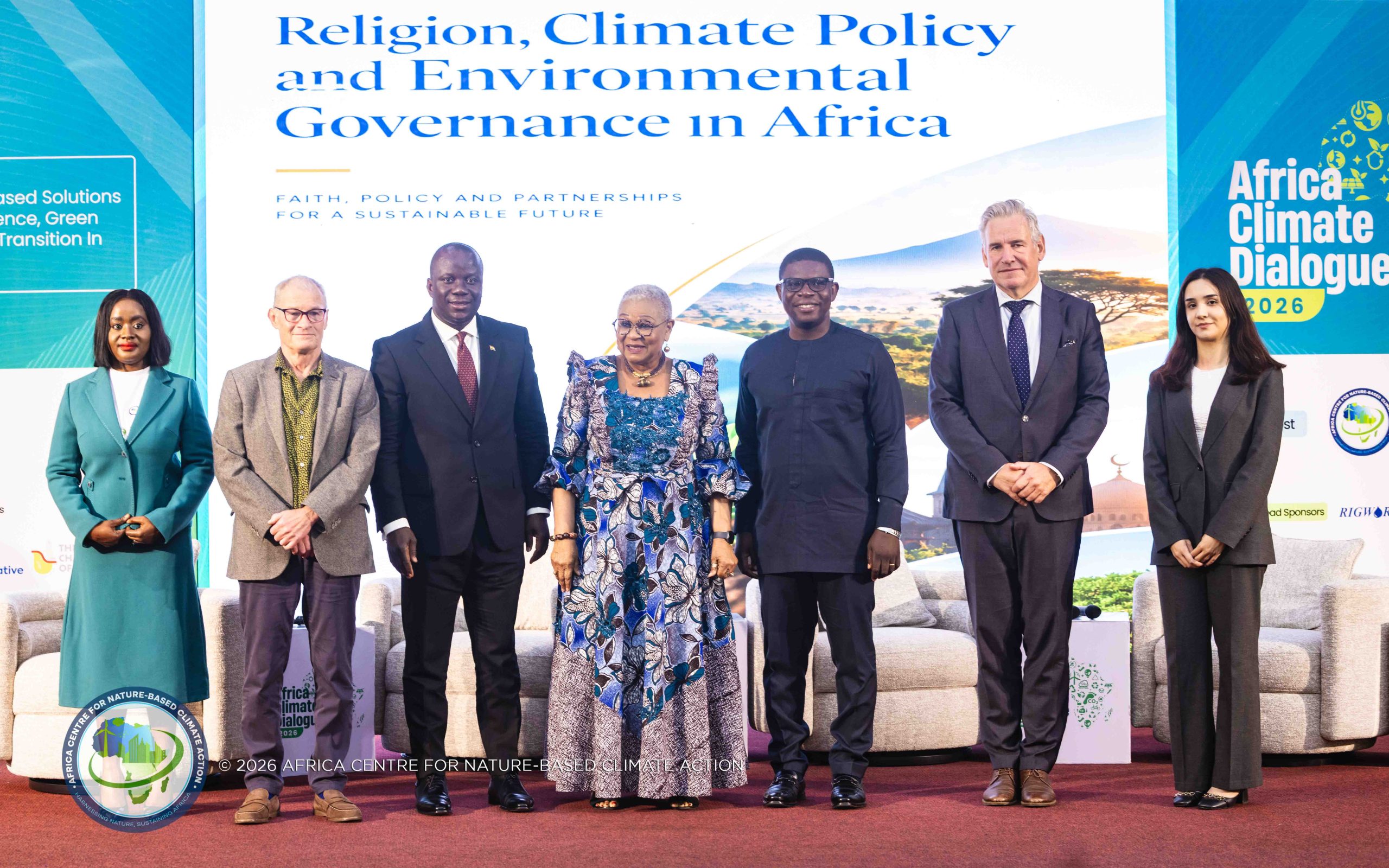
The Board Chairperson of AC4NCA, Rev. Dr Joyce Aryee, commended institutions and partners that had supported the organisation’s work and contributed to advancing nature-based solutions to climate change.
The dialogue reinforced the need for stronger collaboration among governments, development partners, the private sector, academia and local communities to scale up nature-based solutions as a pathway to climate resilience, sustainable economic growth and an inclusive green transition in Africa.